Choose a presentation folder when several documents must stay organised, be discussed in person or remain useful after the meeting. Choose a branded envelope when the arrival, privacy and mailing moment matter. Many professional packs use both: the envelope gets the material there; the folder controls the experience inside.
What a presentation folder does well
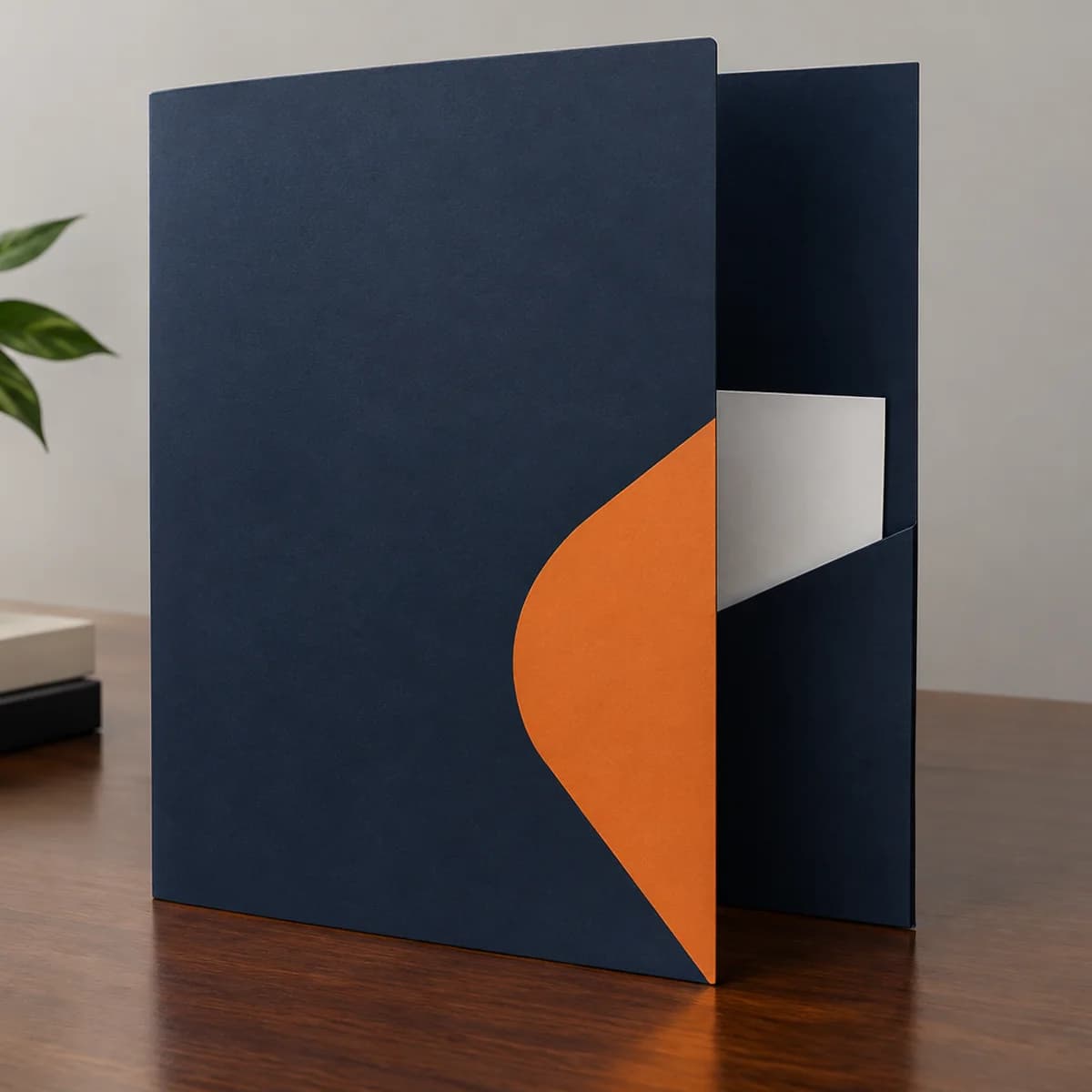
A folder turns separate sheets, cards and brochures into one ordered pack. Pockets can hold proposals, product sheets and forms; card slots keep contact details visible. It is useful in meetings, property handovers, onboarding, education, tenders and events.
The structure must match the contents. An oversized spine for three sheets looks empty; a flat pocket overloaded with a booklet bows and tears. Count and measure the real materials before designing the die line.
What a branded envelope does well
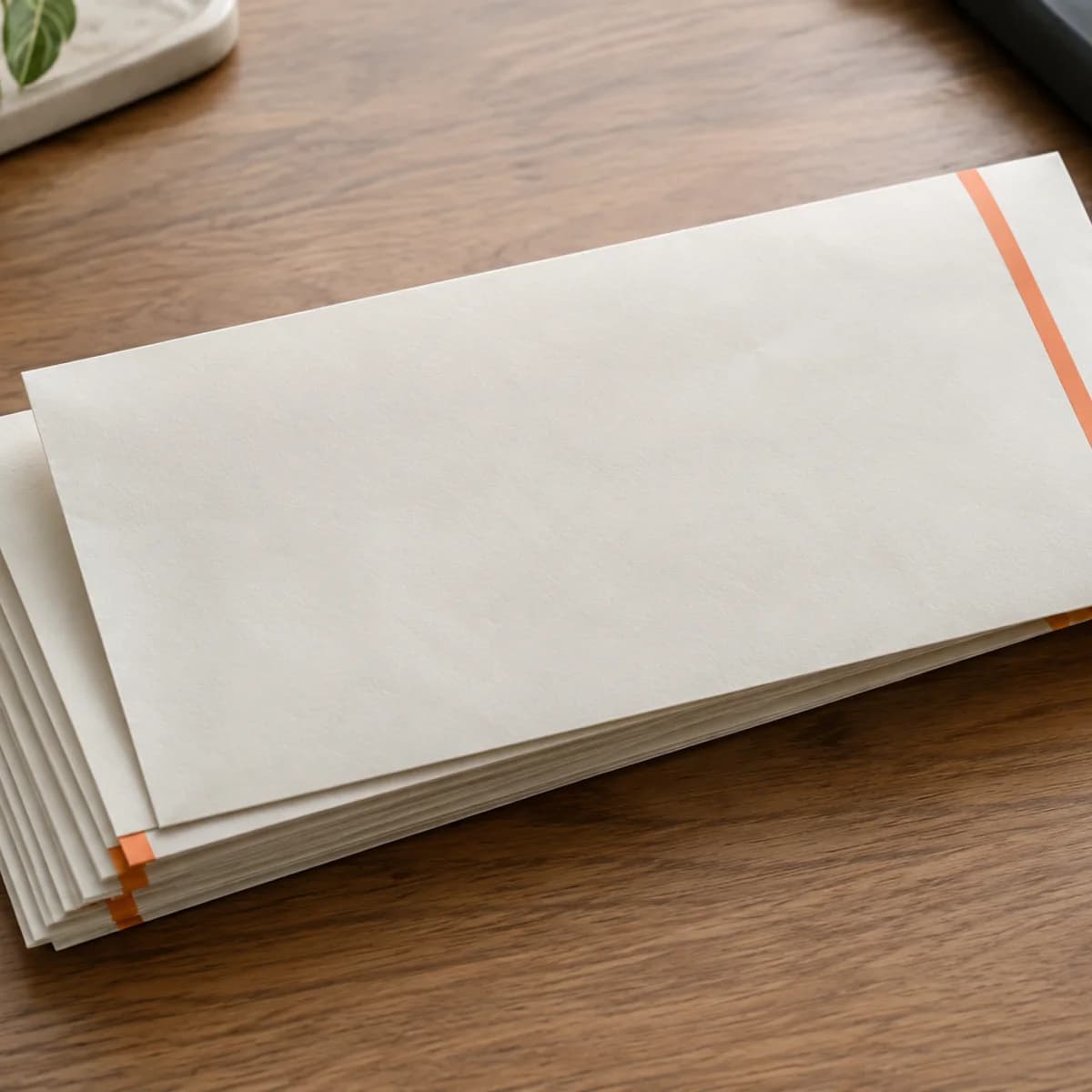
An envelope is the first printed surface a recipient handles in a posted or private delivery. It protects the contents, signals sender identity and can make routine correspondence feel deliberate. Standard DL, C5 and C4 formats support common inserts and mailing processes.
Print area, window position, seams and machine insertion matter. Heavy coverage over folds can crack or show variation. If the envelope must run through an office printer, test heat resistance and feed direction.
Compare cost by the complete pack
Folders require heavier stock, die cutting, creasing and often glueing, so setup and unit cost are higher. Envelopes may use standard manufactured blanks and can be economical, but custom sizes, full bleed and special papers change the route.
Do not compare one folder with one envelope if the folder replaces clips, sleeves or several loose handouts. Equally, do not buy a folder for a single invoice. Price the full packing and handling process.
Design for updateable content
A folder can carry evergreen brand information while replaceable inserts handle prices, staff or dates. This reduces waste when details change. An envelope can do the same for campaign mailings, with a consistent outer and variable inner pieces.
Keep contact details that change frequently off expensive long-life components. Use a card slot, insert or label area. A production system should make the next update easier.
A simple decision rule
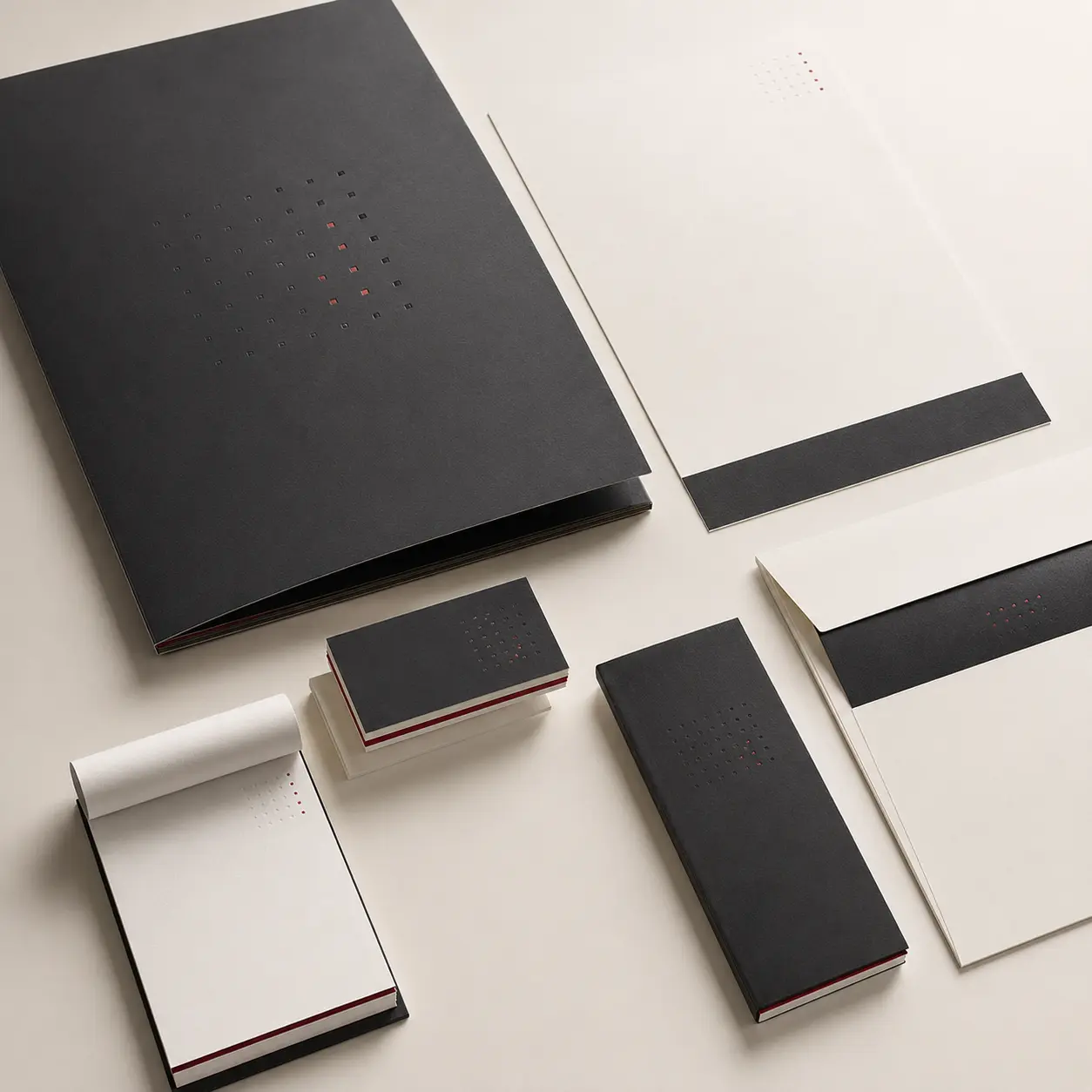
If the recipient needs to browse, compare, sign or retain several pieces, use a folder. If the priority is secure arrival, direct mail or a single contained document, use an envelope. If the pack travels through post and then supports a meeting, use both with coordinated colour and stock.
Prototype the assembled pack and hand it to someone unfamiliar with the project. If the order is unclear or pieces fall out, revise the structure before print. First impressions are operational as well as visual.
| Factor | Presentation folder | Branded envelope |
|---|---|---|
| Best moment | Meeting and handover | Arrival and mailing |
| Capacity | Several organised items | Contained documents |
| Setup | Die cutting and glueing | Often standard formats |
| Longevity | Often retained | Often opened then discarded |
| Personalisation | Usually through inserts | Can support variable mailing |
Common questions
Can presentation folders be made to a custom size?
Yes. Pocket depth, spine, slots and closure can be engineered around the contents.
Can envelopes print full bleed?
Yes through suitable manufacturing routes, but seams, folds and construction must be planned. Printing a ready-made envelope has different limits.
Which is cheaper?
A standard branded envelope is usually cheaper per piece. A folder provides more organisation and retained value, so compare the full use rather than unit price alone.
General print guidance. Confirm material availability, suitability and timings for your specific order.